My Next Adventure…..

It really does help to know your meat processor! Or, in our case, his son!  He has been such a blessing to us, and he’s a wealth of information!  When we began discussing having a cow processed last fall, we found out that most people do not save the soup bones, liver, heart, tongue, or suet from their cows.  If you ask, he will save the soup bones & suet for you – FREE!  How amazing is that?!  (He will also save the lard from pigs when they get them in!)

I recently put in a request for some lard/suet, and yesterday, I picked up 3 boxes full of suet (beef fat)!
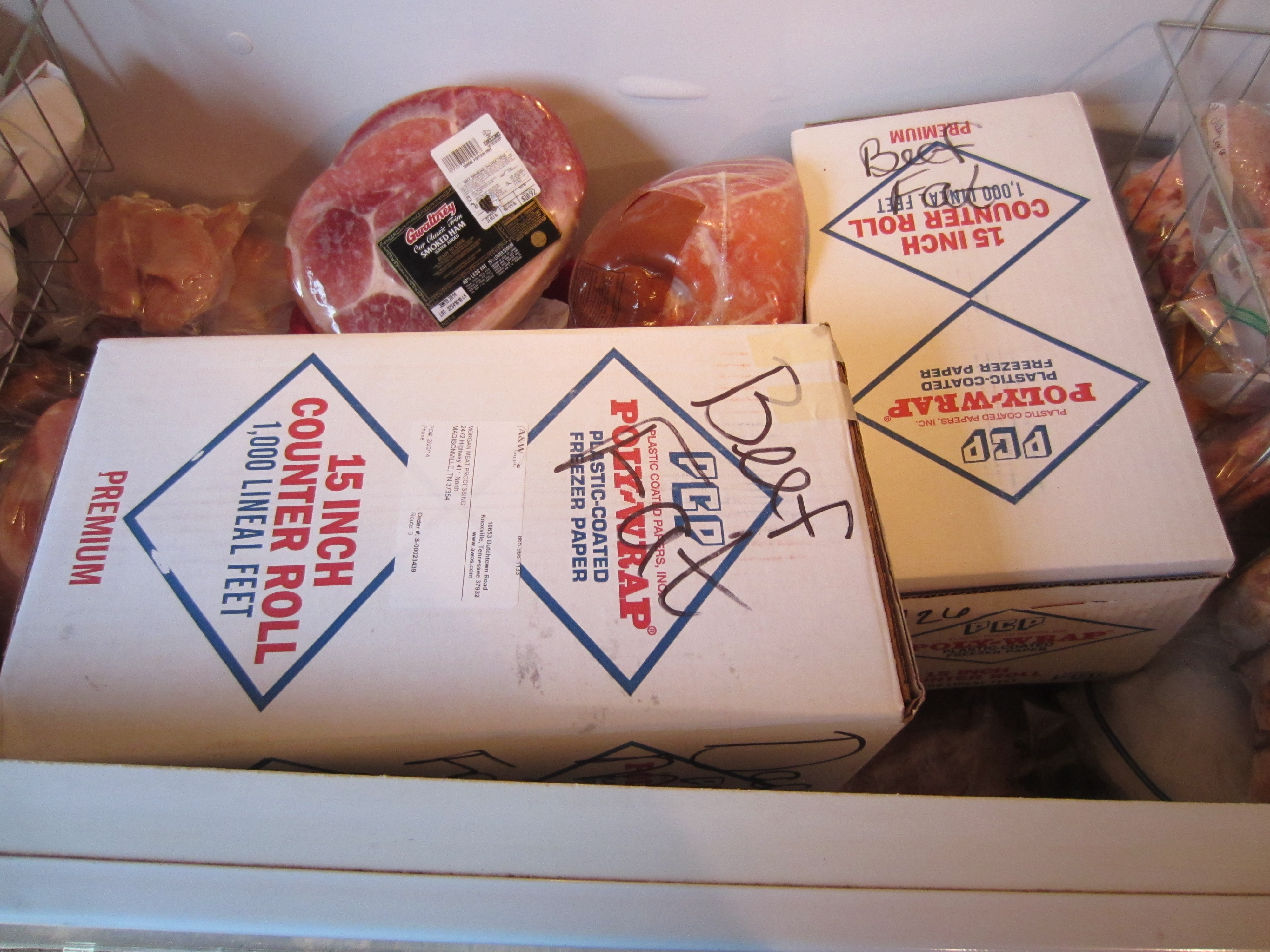
Beef fat!

Beef fat – 2 of the 3 boxes I picked up!

Here, you can see what it looks like!  Isn’t it beautiful?!  I can’t wait to render it down into tallow very soon.
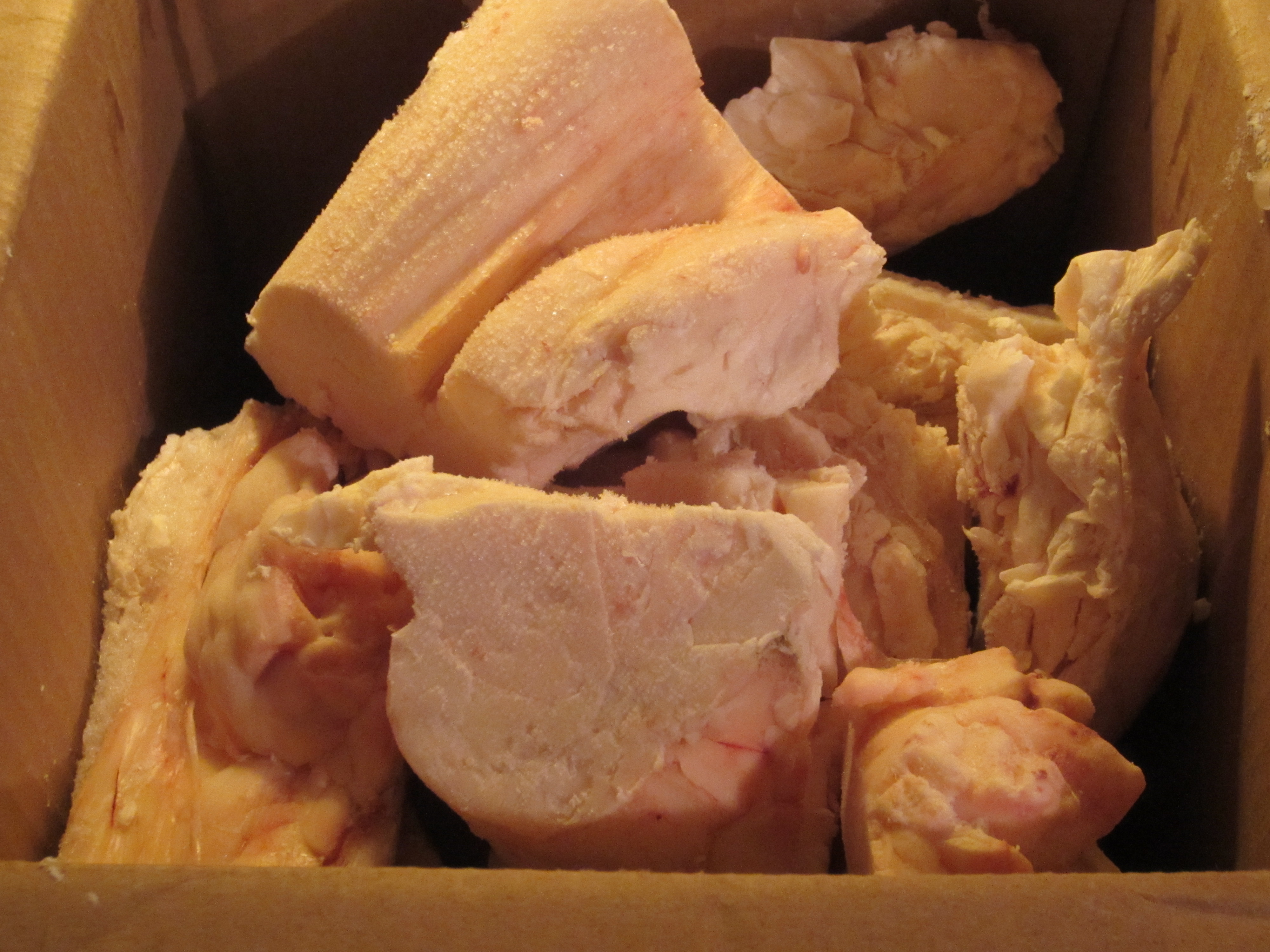
Frozen Beef Fat (Suet)

Frozen Beef Fat (Suet)

*A tip we received from his son (my sweet husband works with him) is to save some of the best suet & keep it in the freezer.  When we want to make hamburgers, pull it out and & grate some over the top of of the ground beef!  That is an awesome idea!  This keeps the lean hamburger meat from falling apart on the grill.

If you’ve ever had hamburgers fall apart while grilling them, it’s probably because they did not have enough fat in them to hold them together.  Some fat is okay for you.  There is no reason to cut it all out of your diet.  Your body needs some healthy fats and, believe it or not, lard & tallow are good fats – just like butter!  Yes, you can have too much of a good thing.  Moderation is the key!

Stay tuned for my new adventure into rendering tallow!  Blog post coming as soon as I get a chance to get this done.

This post has been linked to:

Heritage Homesteaders

Chicken Chick Blog Hop

Homestead Blog Hop

Oak Hill Homestead

My First Attempt at Canning Raw, Bone-In Chicken

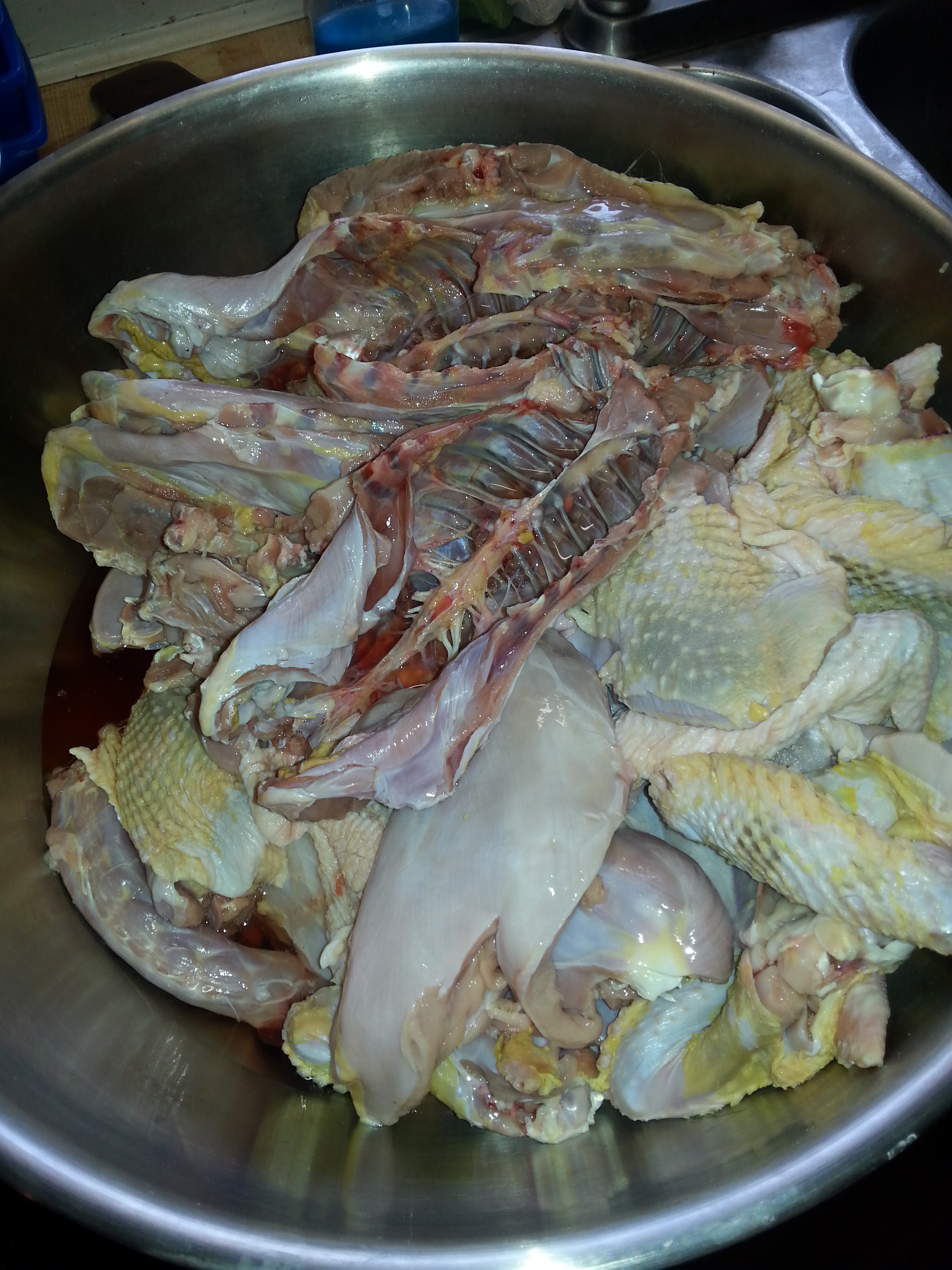
4 cut up chickens waiting to be canned & turned into stock

4 cut up chickens waiting to be canned & turned into stock

This past week, a friend of mine was giving away 4 roosters, which I was happy to take off of her hands.  We picked them up on Tuesday and then processed them Wednesday morning before our weather turned cold (again).  Since we didn’t have anything invested in them but time, I figured these would be great to try my hand a canning raw chicken!

I followed the instructions in my Ball Blue Book & covered them with water, leaving 1 inch head space.  I canned the quarts of raw, bone-in chicken for 75 minutes at 10 pounds of pressure.

While the chicken was in the pressure canner. I put the backs, necks, wing tips, hearts & veggie scraps into my roaster & added a splash of vinegar, some salt, peppercorns, & bay leaves, covered with water & cooked all night.    I put the chicken livers in the freezer for my dad.  We don’t care for them, but he loves them!

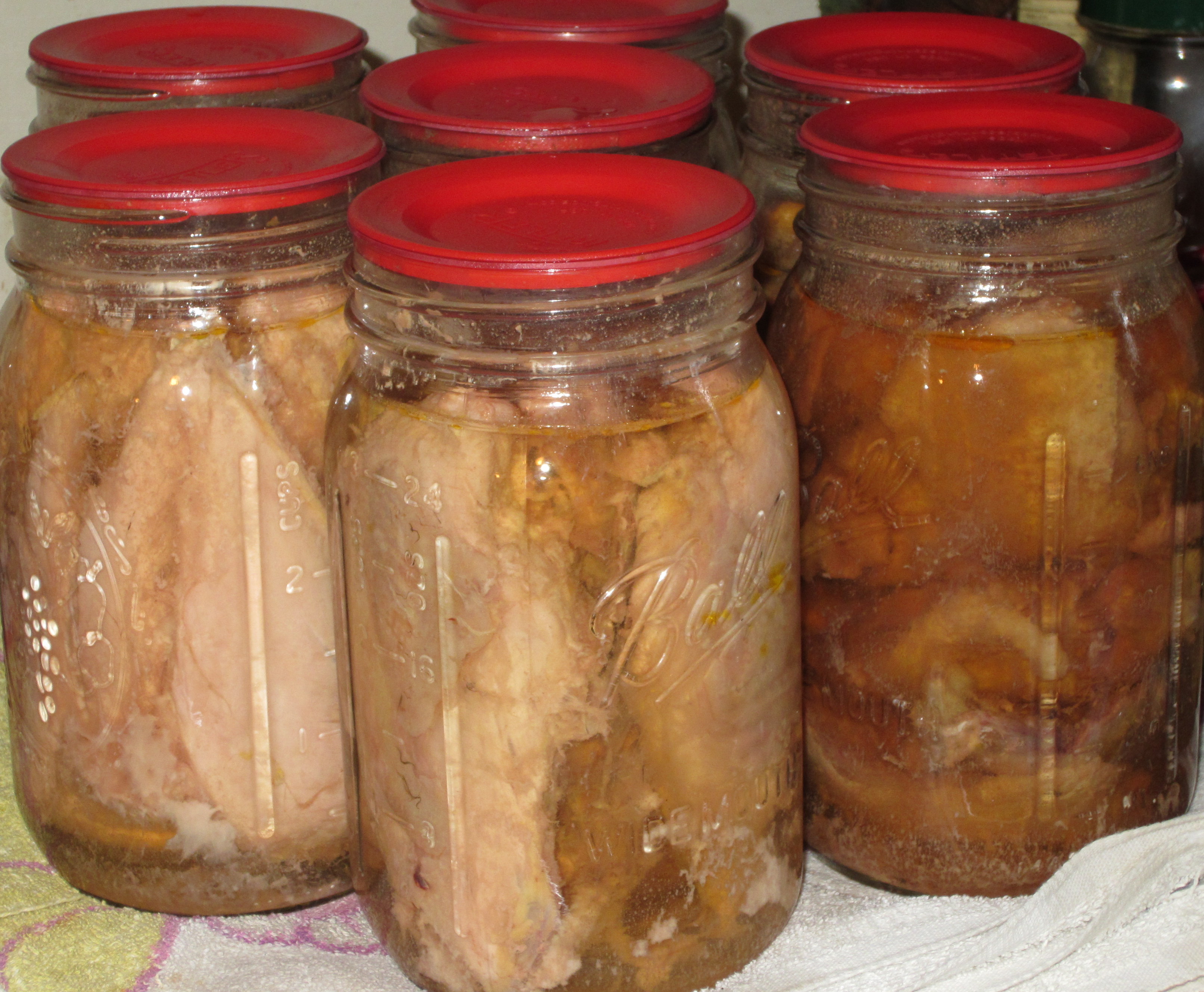
The process was very easy to do.  I canned them in wide-mouth quart jars.  Each jar held 4 pieces, and I canned 2 quarts of chicken breasts, 2 quarts chicken thighs, 2 quarts chicken legs, & 1 quart chicken wings – cut apart.

Canning Chicken - before being processed

Canning Chicken – before being processed

I will say that if/when I do this again,  I will definitely not put as much water in the jars as is recommended because the raw meat makes its own broth while it is in the pressure canner cooking, and I lost a lot of valuable broth that way.  I was also afraid that the jars might now seal since there was so much broth in the water in the canner itself, but they all sealed!  I will probably add enough liquid to fill the jar no more than half way.  But, you should follow the instructions in the Ball Blue Book for your canning instructions, pressure, and time.

After the chicken had been in the pressure canner for the recommended amount of time, I turned the pressure off and let the canner slowly return to zero.  Once the pressure returned to zero, and I removed the lid, I removed my jars & tightened the lids down according to Tattler Resuable Canning Lid instructions, covered with a towel, & let cool.  All 7 quarts sealed and did wonderfully!  They have been washed, dried, & placed on a shelf in my pantry.

Canning Chicken - after being pressure canned

Canning Chicken – after being pressure canned

Since these birds were a little over a year old, they would be a little on the tough side, anyway, so pressure canning the meat should help to tenderize it.  The meat will probably be used in either soup or casserole dishes.  I will let you know what we think when I get around to opening one in the near future!

Here is the post with my update to canning raw chicken.

This post is linked to:

Heritage Homesteaders Blog Hop #4

Homestead Blog Hop #151

Farm Blog Hop

Clever Chick Blog Hop

Oak Hill Homestead

Canning Chicken Stock & Chicken

6 pints canned chicken broth & 2 pints canned chicken (*All jars canned according to Ball Blue Book Guidelines)

6 pints canned chicken broth & 2 pints canned chicken
(**All jars canned according to Ball Blue Book Guidelines**)

I had cooked some chicken a couple of nights ago to be used to make some BBQ chicken.  Of course, I saved the stock I cooked it in. (I’m not about to waste some delicious stock!)  So, yesterday evening, after I was done with my running for the day, I brought my stock back out and started heating it up to can.  I also saved some of the chicken to do a trial of canning chicken.   It’s something that I’ve been wanting to try, but just had not gotten around to it yet. It also gave me another chance to use some of my wonderful Tattler Lids!  I love how they look, don’t you?  And, knowing that they are reusable makes me very happy!

And, since I had the canner going, I also added a few pints of water to make a full run.  Why can water?  Well, in cases of emergency, we would have sterile water to use for drinking, cooking with, brushing teeth, etc.  This jars will also be rotated out.  I used jars that were already empty and just waiting for canning season to go into full swing.  What happens if I need those jars?  Well, then I can use the water to water plants, give to the pets, drink, etc., and use the jars for my canning needs.  I also used “used,” clean, seals for the water – no new seals, since it’s not food that I’m worried about keeping for at least a year.  I have to admit that it looks a little odd seeing water in jars all canned up, but it’s actually very pretty, and it’s nice to know that the water in the jars is consumable in an emergency.

Next up on my canning agenda……. I’ve got beef bones & chicken backs/necks that I need to turn into stock.  Maybe I can get started on that this weekend…..

Maybe……